
Between Humanity
Play Between Humanity
Between Humanity Screenshots


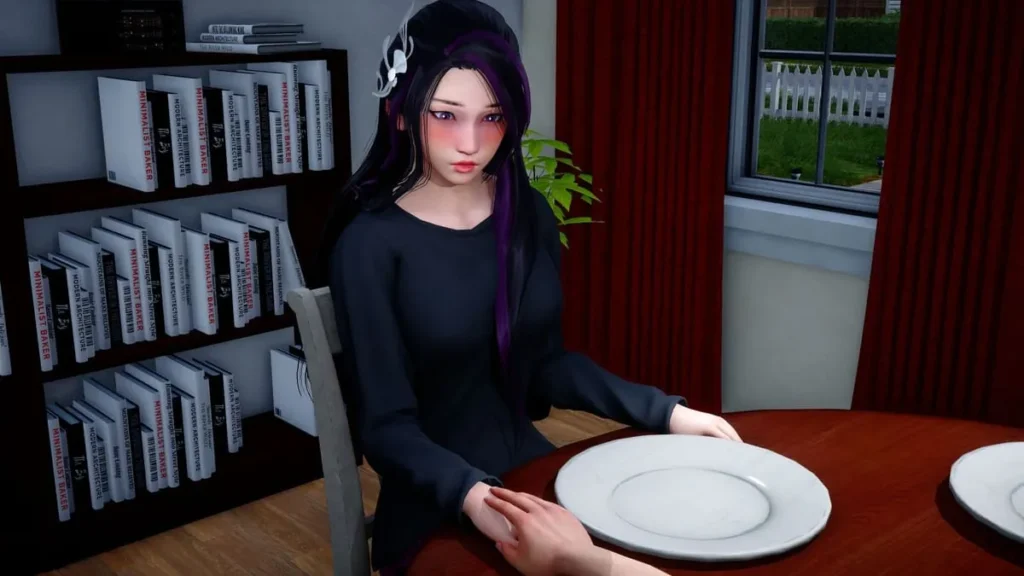


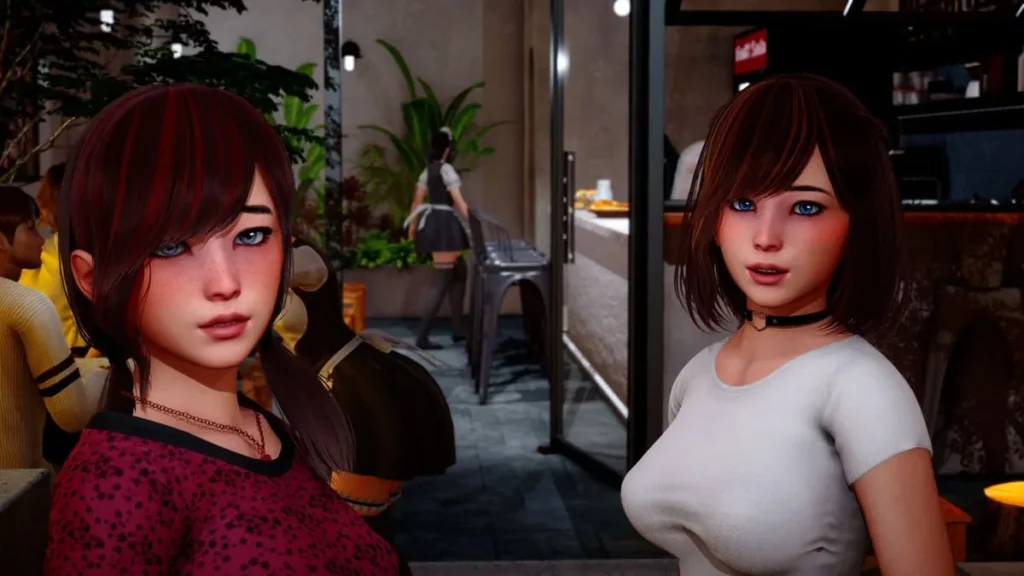







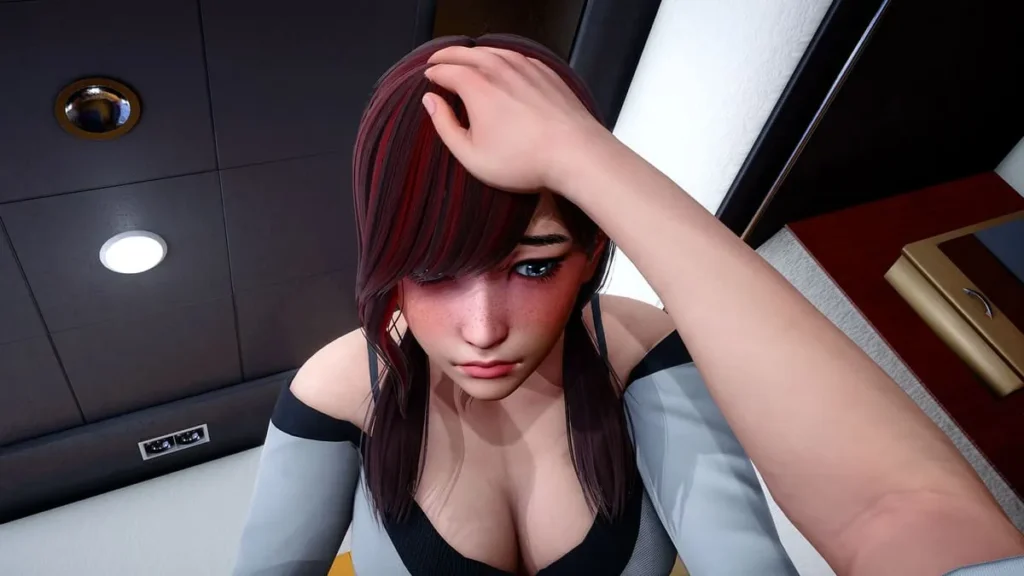
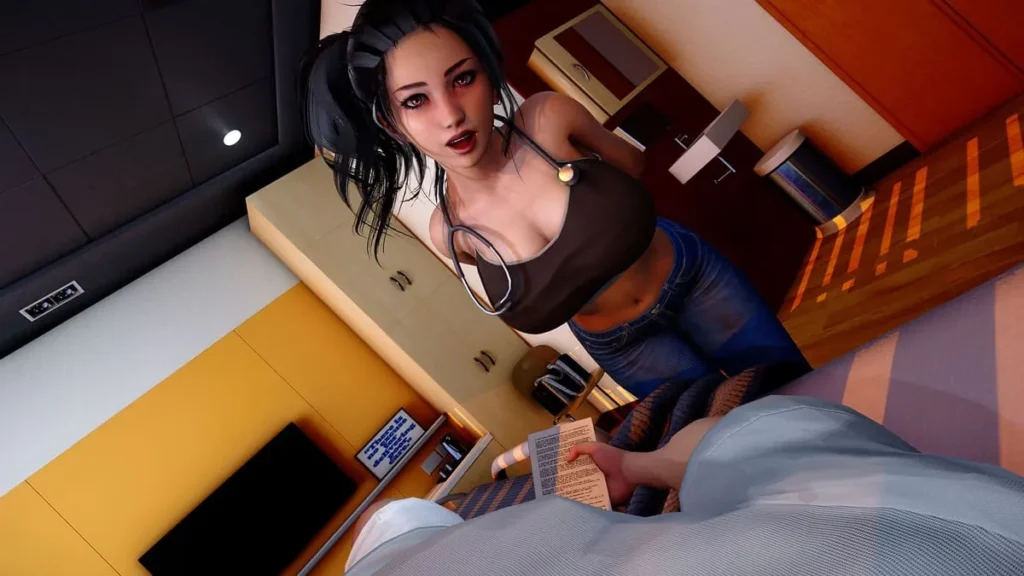
Between Humanity review
Dive into Interactive Choices and Immersive Futures
Imagine waking up in a near-future world ravaged by nanotech disasters, your memories shattered, and every conversation a potential battlefield. That’s the gripping hook of Between Humanity, the interactive storytelling game that’s captivating players with its dystopian depth. As an amnesiac protagonist navigating factions and moral gray areas, your choices in Between Humanity gameplay shape alliances, betrayals, and intimate connections. I remember my first playthrough—heart pounding during a tense dialogue clash that spiraled into unexpected passion. This isn’t just a game; it’s a personal journey through humanity’s blurred lines. Ready to uncover its secrets?
What Makes Between Humanity Gameplay So Addictive?
I remember the first time I truly understood what Between Humanity gameplay was all about. I was cornered in a derelict transit hub by a veteran scavenger named Kael, who was convinced I’d stolen his salvage. His hand was on his plasma cutter, and my own weapon was holstered. The classic video game move would be to draw and fire. But here? I just… talked. I used a detail I’d overheard about his lost daughter, a fragment from an earlier neural implant hacking session, not as a threat, but as a bridge. The tension was thicker than the smog outside, but I walked out not with a new enemy, but with a grudging ally. That moment—where words were my only weapon and my greatest shield—hooked me for good. This isn’t just a game you play; it’s a world you inhabit, and every second is shaped by your choices.
The magic of how to play Between Humanity isn’t found in a mastery of gunplay, but in the mastery of conversation. It throws out the tired good/evil binary and asks a much more compelling question: what are you willing to say, and who are you willing to become, to survive?
How Dialogue Combat Reshapes Every Encounter
Forget quick-time events or charm rolls. Dialogue combat Between Humanity is a legitimate, tense, and strategic layer of gameplay. Every significant conversation is a duel. You’re not just picking from pre-written responses; you’re building arguments, probing for weaknesses, and deploying verbal tactics in real-time.
Think of it like psychological chess 🧠. You might use a Logic Trap, cornering an Echelon bureaucrat with his own contradictory data-streams. Or, you could deploy a Guilt Trip, reminding a weary Iron Roots guard of the family he’s failing to protect by stopping you. The system reads the context—the NPC’s personality, their faction allegiance, their recent history (thanks to those dynamic NPC routines)—and your success hinges on using the right tool for the right job.
I once defused a bomb not by cutting wires, but by talking down the desperate anarchist who built it. I used “Empathy” to connect with his frustration, then “Cold Fact” to shatter his belief that the explosion would be a meaningful symbol. The bomb was disarmed because he chose to disarm it. That’s the power here. Violence is often just a failure of dialogue. This time-locked choices game mechanic means these verbal spars happen under pressure; hesitate too long, and the opportunity to guide the conversation slips away, forcing you to react to their next move instead.
Unlocking Memories Through Neural Hacking
If dialogue is your scalpel, then neural implant hacking is your x-ray vision. In this world, almost everyone has a neural link. And with the right tools and skills, you can dive into those digital minds. This isn’t just about unlocking doors; it’s about unlocking people.
You can Eavesdrop on silent internal monologues, hearing a guard’s private doubts about his commander. You can Overload Senses, momentarily blinding a pursuer with a burst of static or making them smell phantom smoke to create a distraction. The most powerful tool, however, is sifting through Memory Fragments. These are key memories—traumas, secrets, joys—that float in someone’s neural landscape. Collecting them isn’t just for lore; it gives you unique dialogue options and leverage.
For example, hacking a high-ranking Echelon officer might reveal a memory fragment of him as a child, looking up at the now-crumbling orbital rings. In your next dialogue combat Between Humanity with him, you could reference that lost wonder, not to manipulate, but to genuinely connect, potentially shifting his rigid worldview. It creates this incredible loop: you hack to learn, you learn to talk better, and your better talking opens new paths forward (or new ways to subtly sabotage your foes). It makes every character a puzzle to be solved, not an obstacle to be removed.
Why Faction Choices Lead to Lasting Consequences
New Detroit is a city divided, and your allegiances are everything. The faction trust systems in Between Humanity are the engine of the story. The two main giants are the Iron Roots, a collectivist workers’ union fighting for reclamation and community, and the Echelon, a technocratic oligarchy believing order and transhumanism are the only paths forward. But there are also gangs, cults, and independents vying for power.
Your actions are constantly being watched and judged. Help an Iron Roots patrol reclaim a water filtration plant, and your trust with them ticks up while the Echelon marks you as a subversive. Complete a covert data retrieval for the Echelon, and you’ll gain access to advanced cybernetics, but the local market run by the Roots might suddenly be “out of stock” for you.
The brilliance is in the compounding effects. It’s not just about access to shops or missions. It’s about how the world talks to you. With high Iron Roots trust, their members might warn you of an ambush or offer you shelter during a acid-storm. With high Echelon disdain, their drones might “malfunction” and scan you aggressively at every checkpoint. I once played a session where I tried to play both sides perfectly. I ended up trusted by no one, completely isolated in a city of millions. The safe houses were locked, informants went silent, and every alley felt hostile. My methods—my duplicity—mattered more than any superficial moral alignment.
This is the core of Between Humanity gameplay. Your journey is defined not by a final choice, but by hundreds of small, consequential decisions that weave together into a reputation you can’t escape.
| Gameplay Feature | How It Works | Player Impact |
|---|---|---|
| Time-Locked Choices | Dialogue and key decisions have a ticking clock. Hesitation changes available options or leads to NPCs acting first. | Creates intense, immersive pressure. Rewards quick thinking and game knowledge, making conversations feel alive and unscripted. |
| Memory Fragments | Discoverable core memories via neural implant hacking. They are persistent collectibles tied to specific characters. | Provides deep character insight and unlocks unique, powerful dialogue paths. Turns narrative lore into gameplay currency. |
| Dynamic NPC Routines | Characters have full daily schedules, moving between homes, jobs, and social activities independent of the player. | Makes the world feel real and lived-in. Allows for strategic planning (e.g., intercepting a target during their commute) and emergent storytelling. |
| Faction Trust Systems | Every action positively or negatively impacts hidden reputation scores with major and minor factions. | Drastically alters world state, NPC behavior, mission availability, and ending possibilities. Makes alliances meaningful and treacherous. |
| Dialogue Combat | A tactical verbal system using context-sensitive tactics like Logic, Guilt, Empathy, and Bravado to defeat opponents in conversation. | Replaces traditional combat as a primary problem-solving tool. Makes every social encounter a strategic, engaging challenge. |
So, what’s the secret to thriving in New Detroit? It’s understanding that Between Humanity is a game of influence, not just force. Here’s some hard-earned advice from the trenches:
- Silence is a Tool: In dialogue combat Between Humanity, the “Pause” option is not a surrender. Sometimes, letting the silence stretch makes an NPC nervous, causing them to reveal more or reconsider their stance. Use it strategically.
- Hack First, Talk Later: Before a big conversation, see if you can scan or hack the individual. A single memory fragment can give you the golden key to an otherwise impassible dialogue lock.
- Commit to a Lane (Early On): While playing the field is possible, deeply investing in one faction trust system early unlocks specialized gear and story branches faster. You can always betray them later for a dramatic twist.
- Follow NPCs: Thanks to dynamic NPC routines, shadowing a character can reveal their secrets, habits, and vulnerabilities without ever touching their neural implant. The old ways still work.
- Embrace Failed Conversations: Not every dialogue combat encounter needs to be “won.” Sometimes, making an enemy or burning a bridge creates a more interesting, personal narrative than a perfect, conflict-free playthrough.
In the end, how to play Between Humanity is to listen, to probe, and to understand that in a broken world, the most powerful thing you can possess isn’t a gun—it’s leverage. And leverage is forged in the spaces between humanity. Now, get out there and start talking your way into (or out of) trouble.
Between Humanity stands out as a masterful blend of dystopian storytelling, tense mechanics, and meaningful choices that linger long after playing. From dialogue battles to faction intrigue, it pulls you into a world where every decision echoes. My own dives into its branches left me rethinking trust and desire in unexpected ways—it’s that immersive. If you’re craving a game that rewards patience and strategy, dive in today. Grab the latest version, pick your path, and see how your story unfolds. What ending will you craft?