Neuvau
Play Neuvau
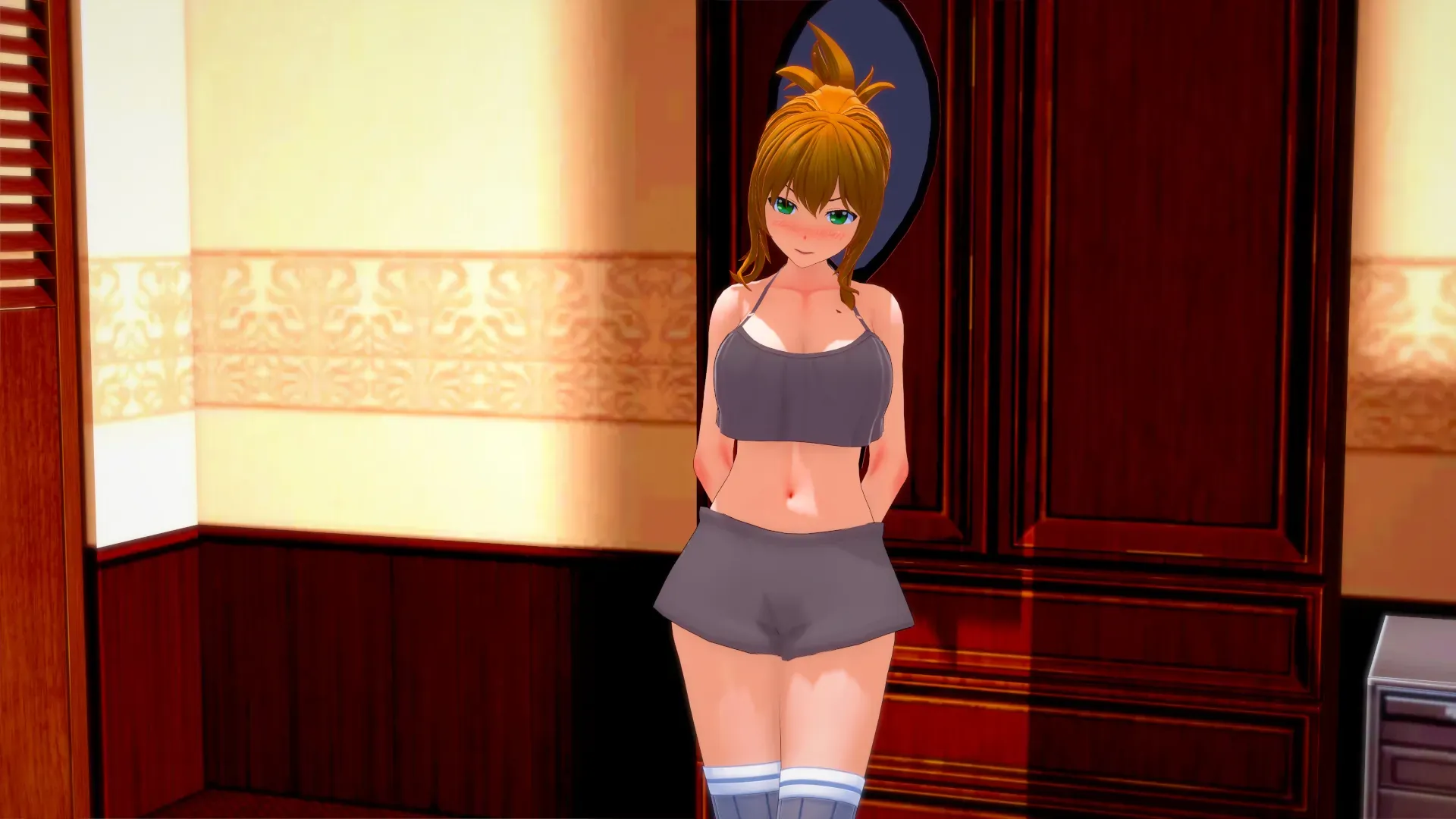
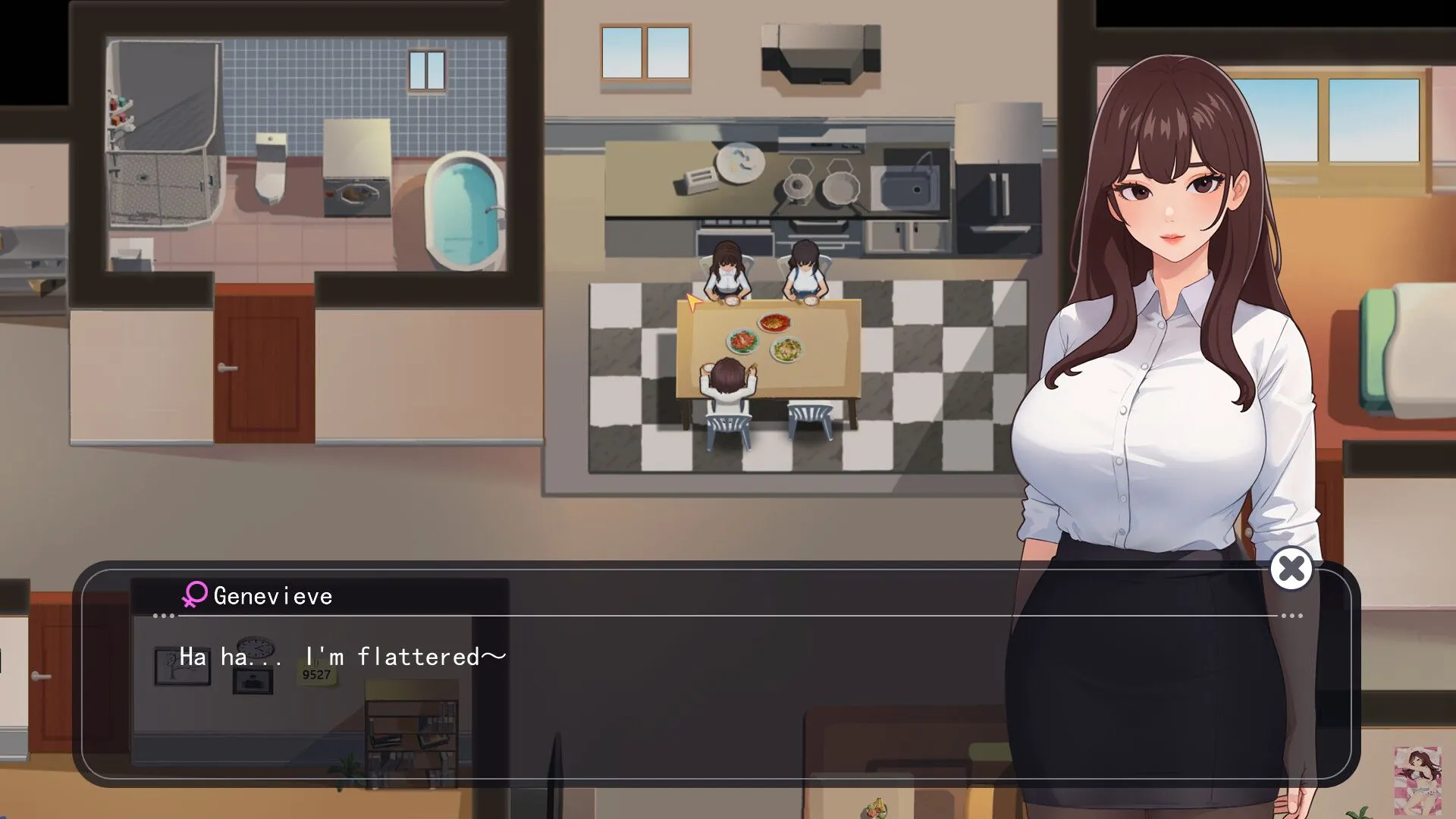
Neuvau Screenshots





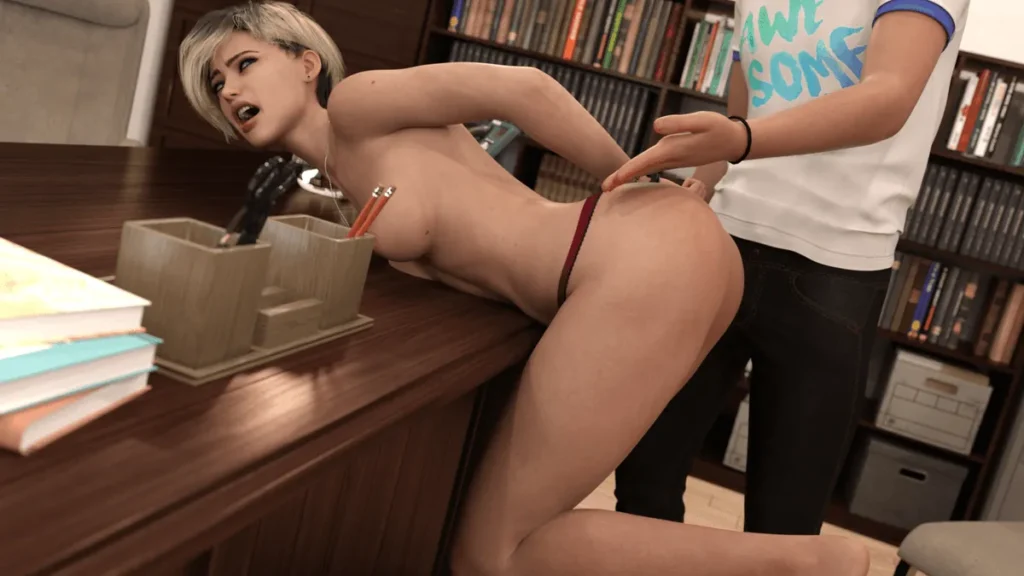










Neuvau review
A practical, story-driven look at Neuvau, its gameplay and what players can expect
Neuvau has been quietly circulating in gaming circles as a bold, experimental title that mixes storytelling, character interaction, and player agency in a very direct way. If you have heard about Neuvau but are still unsure what the game actually offers, how it plays, or whether it suits your tastes, this guide will walk you through everything in plain language. Drawing from hands-on impressions, community reactions, and practical testing, we will unpack Neuvau’s core mechanics, progression systems, strengths and weaknesses, and the kind of experience you can realistically expect before you dive in.
What Is Neuvau and How Does It Play?
So, you’ve heard the name, seen some intriguing screenshots, and you’re wondering: just what is Neuvau? Is this another sprawling open-world epic or a fast-paced action title? Let me be clear from the start: Neuvau is a different beast entirely. It’s a game for the patient, the curious, and the storyteller within all of us. Think of it less as a “game” in the traditional, reflex-testing sense and more as an interactive narrative engine where your choices are the primary controller.
At its heart, the Neuvau game is a deeply character-driven experience. You’re not here to rack up a high score or conquer a map. You’re here to live inside a story, to form bonds, to make difficult decisions, and to watch the delicate consequences of your actions ripple through a meticulously crafted world. If you’ve ever wished you could steer the plot of a compelling novel or film, then buckle up. This might be your next obsession.
### Neuvau in a nutshell: setting, tone, and core ideas 🎭
Imagine a world where the line between advanced technology and deep-rooted human tradition is beautifully, and sometimes troublingly, blurred. That’s the stage Neuvau sets for you. Without spoiling its unique lore, you can expect a setting that feels both futuristic and strangely timeless, filled with characters who are grappling with personal histories, societal shifts, and the weight of their own choices.
The tone is introspective and atmospheric. Don’t expect constant explosions or frantic chases. The drama here is in a lingering glance, a piece of hesitant dialogue, or a secret reluctantly shared. The core ideas of the Neuvau game revolve around connection, consequence, and discovery. Every person you meet has a story, and your interactions determine whether you’ll ever hear it. The game asks you to invest emotionally, to care about the digital people on your screen, and rewards you with a story that feels uniquely yours.
So, what is Neuvau for? It’s for players who love to read between the lines, who relish slow-burn stories, and who find satisfaction in unraveling a mystery through conversation and observation rather than combat. It’s a deliberate, thoughtful experience.
### How Neuvau’s gameplay loop actually works 🔄
If you’re asking “how does Neuvau work?” on a practical level, the answer is elegant in its focus. The Neuvau gameplay loop is built on a cycle of exploration, interaction, and decision-making. It’s a rhythm that becomes second nature surprisingly quickly.
You typically navigate between key locations—a quiet apartment, a bustling public square, a secluded archive. In these spaces, you examine points of interest (a flickering terminal, a forgotten photograph, a peculiar artifact) to glean backstory and context. But the true heart of the Neuvau gameplay beats during character interactions.
When you engage someone in conversation, you’re presented with a branching dialogue tree. These aren’t just cosmetic choices. Choosing to be empathetic, suspicious, analytical, or playful will directly alter your relationship with that character and can unlock (or permanently lock) entire narrative pathways. The game diligently tracks your relationships and key decisions, often in a subtle menu that feels like a personal journal.
A major strength of how Neuvau works is its commitment to player agency in storytelling. You can save at almost any point, and the game encourages you to create multiple save files. Want to see what happens if you accuse someone instead of trusting them? Just re-load and try it. This design makes experimentation a core part of the fun, allowing you to fully explore the narrative possibilities.
To break it down, here are the core parts of the Neuvau gameplay loop:
- Explore: Move through beautifully rendered, intimate environments to find clues and context.
- Interact: Speak with a cast of complex characters, each with their own motives and secrets.
- Choose: Make dialogue and action decisions that carry real, often unforeseen, weight.
- Unlock: See new scenes, conversations, and locations open up based on your prior choices.
- Progress: Watch the central narrative advance, shaped directly by the relationships you’ve nurtured and the paths you’ve taken.
This loop creates a compelling sense of momentum. You’re always working towards the next piece of the story, the next character revelation, driven by your own curiosity about the world and its inhabitants.
### My first hours with Neuvau: honest early impressions 🌅
I settled in for my first evening with Neuvau not quite knowing what to expect. I was drawn in by the promise of a serious, choice-heavy narrative, and the art style hinted at a world with real depth. My Neuvau first impressions were, honestly, a mix of captivated curiosity and initial bewilderment.
For the first 30 minutes, I felt a bit adrift. The game doesn’t hold your hand with lengthy tutorials. It presents you with a evocative environment and a simple prompt: look, listen, and choose. The user interface is clean but minimal. I fumbled a bit with the controls—remembering which button brought up the interaction menu versus the quick-save function (a lifesaver, by the way!). However, this slight confusion didn’t last long. By the end of the first hour, the rhythm clicked. The Neuvau gameplay became intuitive, and I stopped thinking about the controls and started living in the story.
Then came the moment that sold me on the entire experience. In an early conversation with a guarded side character, I had a choice: push them for information about a sensitive topic or respectfully change the subject. Thinking I was being strategic, I pushed. I got the information, but the character’s demeanor instantly turned cold and distant. Hours later, when I desperately needed their help in a critical story moment, they refused. Not out of malice, but because I had broken their trust. The game didn’t flash a warning sign; it just remembered. That’s when I truly understood how does Neuvau work. It’s a world that listens and reacts.
From a technical standpoint, my Neuvau review of these early hours is positive. Load times were brief, and I encountered no crashes or game-breaking bugs. The performance was smooth, allowing the atmosphere and writing to take center stage without distraction. The UI, once learned, feels like a natural extension of the experience—unobtrusive and focused on the narrative.
My Tip: Don’t be afraid to save often and in multiple slots during your first hours with Neuvau. Treat it like a “what if” machine. It’s the best way to appreciate the narrative depth on offer.
So, is Neuvau worth playing? Let’s talk audience. You will likely adore this Neuvau game if:
* You love narrative-driven games where story is king.
* You enjoy slow, deliberate pacing that lets atmosphere build.
* Your favorite part of any RPG is talking to every NPC.
* You get a thrill from seeing your choices materially alter a story.
Conversely, you might want to look elsewhere if:
* You need constant action, combat, or high-stakes gameplay mechanics.
* You prefer games with clear, objective-based missions and waypoints.
* You have little patience for extensive dialogue and slow-burn reveals.
A typical first 2-3 hours with Neuvau involves finding your feet in its world, meeting its core cast, and likely making a few key decisions that will quietly define your playthrough. You’ll experience a few major story beats, but the real magic is in the quieter, character-defining moments in between. You’ll leave that initial session not with a high score, but with questions, theories, and a genuine connection to the digital lives you’ve just begun to influence.
In the next chapter, we’ll delve deeper into the lasting systems, the standout characters that make this world tick, and explore the incredible replay value hidden within Neuvau’s branches. But first, let’s address some common beginner questions.
| Question | My Honest Answer |
|---|---|
| How long does it take to understand Neuvau? | About an hour. The initial interface is minimal, but the core loop of explore-talk-choose becomes intuitive quickly. The depth of the consequences takes longer to appreciate! |
| Can I replay scenes to see different outcomes? | Absolutely, and the game encourages it. With a generous save/load system, you can branch off from any point to experiment with different dialogue and action choices. |
| Is the story linear? | Not at all. While there is a central narrative spine, the journey to its conclusion, the relationships you forge, and the subplots you experience are highly variable based on your choices. |
| What’s the biggest beginner mistake? | Rushing. This isn’t a game to speed-run. Take your time to examine your surroundings and listen carefully to what characters are saying—and what they’re not saying. |
Neuvau stands out as a focused, character-driven game that rewards patience, curiosity, and a willingness to experiment with different choices. Once you push through the first hour or two of learning its interface and rhythm, the experience becomes more about exploring outcomes, getting to know the cast, and shaping your own version of the story. Whether Neuvau is right for you comes down to what you want from a game: if you enjoy deliberate pacing, layered interactions, and replayable scenarios, it is worth giving it a fair try. Take your time, lean into the choices that feel natural to you, and see how Neuvau’s world responds.