
Taboo University
Play Taboo University
Taboo University Screenshots







Taboo University review
Explore the mystery, factions, and choice-driven narrative of this adult visual novel
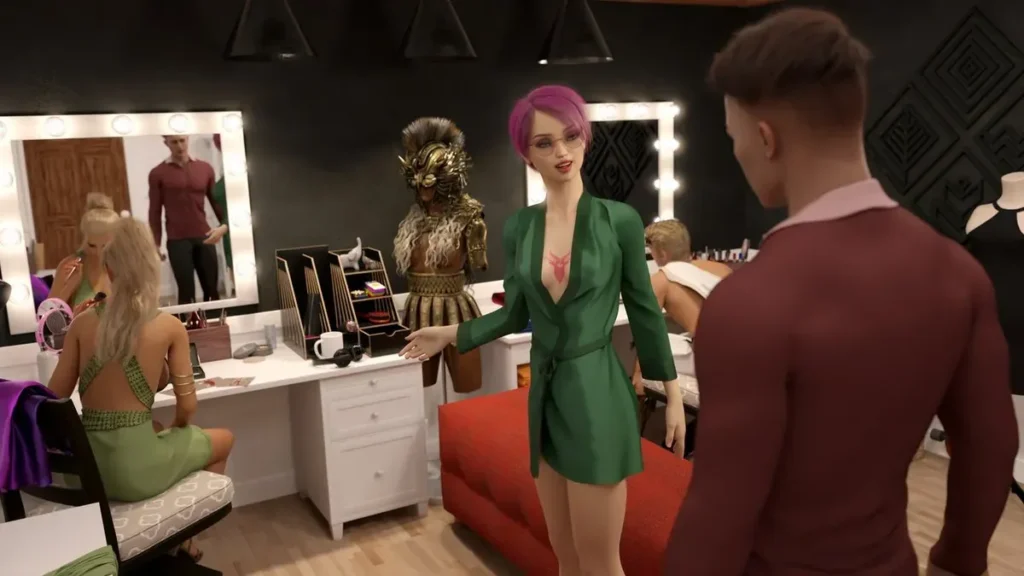
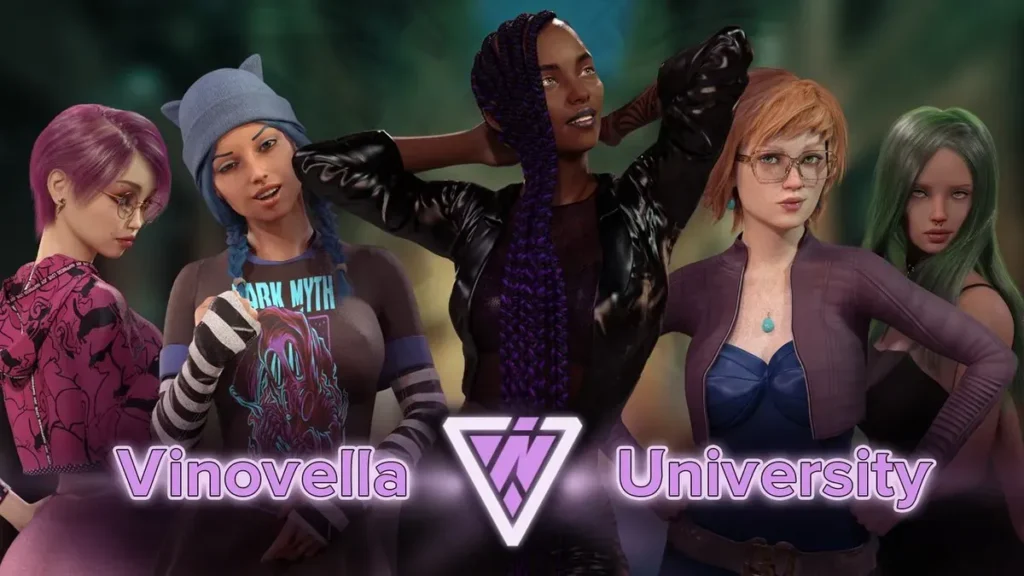
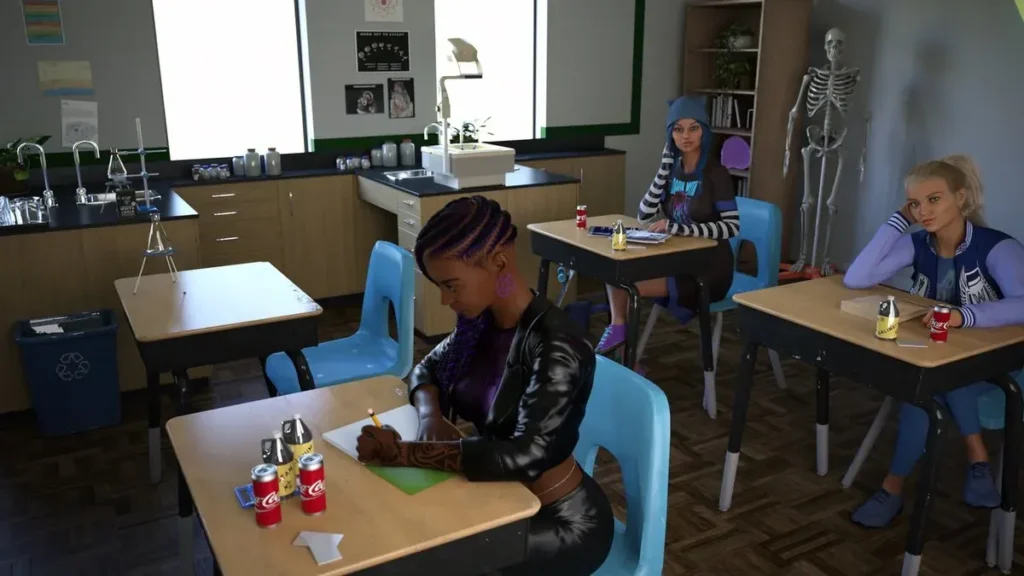
Taboo University Book One is an adult visual novel that combines mystery investigation with choice-driven storytelling. Released in October 2024, this game puts you in the role of an undercover police officer tasked with uncovering the disappearance of three girls at ViNovella University. The experience goes beyond typical campus narratives, featuring branching storylines, multiple factions with distinct paths, and over 50 animated scenes. Whether you’re drawn to detective mysteries, character-driven narratives, or interactive storytelling, understanding the game’s core mechanics and content will help you decide if this title aligns with your gaming preferences.
Understanding Taboo University: Core Gameplay & Story Mechanics
You arrive at the prestigious gates of ViNovella University with a secret. 📚 On paper, you’re just another new student, eager to learn and make friends. But your real mission is far darker: you’re an undercover officer investigating the disappearance of three young women from this very campus. 🕵️♀️ This is the gripping premise of Taboo University, a game that masterfully blends a tense investigative thriller with deep, choice-driven relationships. Forget passive reading; this is a mystery where every conversation is a clue, every friendship a potential lead, and every faction a path into the heart of the conspiracy.
The genius of the Taboo University gameplay mechanics lies in how they make you feel the weight of your double life. You’re not just clicking through dialogue; you’re actively building a cover, deciding who to trust, and constantly balancing your duty with your desire to just be a normal student. It’s this relentless push and pull that makes the investigation so uniquely personal and tense.
What Makes the Investigation Unique?
Most mystery games hand you a magnifying glass and a list of suspects. Taboo University hands you a student ID and a social calendar. 🔍 The core investigation here is social. Your primary tools aren’t forensic kits but charm, intuition, and the careful cultivation of relationships. You’ll gather intel by attending a frat party with the Winners Club, decoding obscure symbols in a library book recommended by a shy scholar who might be connected to the Cult, or overhearing crucial gossip while pretending to study in the common room.
I remember on my first playthrough, I was so focused on being a “good cop” that I interrogated everyone with direct questions. Big mistake. 🚫 A key professor clammed up, a potential ally in the student council distrusted me, and I missed a whole branch of clues hidden behind casual, friendly hangouts. The game brilliantly punishes and rewards your approach. The investigation mystery game aspect is woven into the fabric of daily university life. Finding a missing girl’s diary might hinge on first helping her roommate with her chemistry homework, thereby gaining access to their dorm room.
This creates an incredible layer of realism and strategy. You’re constantly making micro-decisions: Do I go to the library to research ancient symbols, or do I attend the football game to get closer to the star quarterback? Both could advance the case, but in wildly different directions. It’s this integration of plot and routine that makes the ViNovella University setting feel less like a backdrop and more like a living, breathing character full of secrets.
Pro Tip: Treat every interaction as evidence. A character’s off-hand comment about “secret societies” in week one might be the key to understanding a cryptic message in week three. Take mental notes!
The game supports this with a robust log system and a replay gallery, but the first-time experience of connecting the dots yourself is unparalleled. This leads us to the engine driving everything: your choices.
How Do Faction Choices Shape Your Experience?
About a week into my undercover work, I hit a wall. The student body wasn’t just a homogenous mass; it was clearly divided into powerful, insular groups. To get real answers, I had to get inside one. This is where the legendary faction system Taboo University is built around comes into play, offering three distinct paths into the underworld of ViNovella:
- The Cult: Mysterious, intellectual, and shrouded in ancient ritual. Aligning here means delving into occult symbolism, late-night ceremonies, and philosophical debates that hide darker intentions. Their path is about secrets within secrets.
- The Syndicate: Ruthless, wealthy, and connected. This path is a dive into the criminal underbelly of the campus, dealing with blackmail, underground fights, and high-stakes power plays. It’s a gritty, dangerous route.
- The Winners Club: The charismatic, sports-driven elite. Don’t be fooled by their all-American veneer; their competitiveness and obsession with victory hide a brutal, win-at-all-costs mentality. This path explores corruption in broad daylight.
Choosing to align with one fundamentally alters your story. The Cult Syndicate Winners Club dynamic isn’t just about different friends; it’s about accessing unique locations, unlocking specific story beats about the missing girls, and facing moral challenges tailored to that faction’s worldview. My “Syndicate” playthrough felt like a crime thriller, full of tension and risky deals. My “Cult” run, however, was a psychological deep-dive, eerie and atmospheric.
The following table breaks down how these factions define your experience:
| Faction | Core Characteristics | Storyline Focus | Primary Challenges |
|---|---|---|---|
| The Cult | Secretive, intellectual, ritualistic, mystical. Appeals to those seeking hidden truths and esoteric knowledge. | Uncovering ancient mysteries and the spiritual/psychological manipulation behind the disappearances. The plot feels like a supernatural thriller. | Decoding complex symbols, maintaining faith in the group’s doctrine, navigating psychological manipulation. Trust is a rare commodity. |
| The Syndicate | Powerful, wealthy, connected, ruthless. Runs on a hierarchy of fear and greed. The “criminal underworld” of the campus. | A gritty tale of organized crime, blackmail, and territorial power struggles. The disappearances are likely tied to debt, betrayal, or vendettas. | Managing your “value” to the group, performing dangerous tasks to prove loyalty, avoiding betrayal from within. Physical and financial danger is constant. |
| The Winners Club | Charismatic, competitive, physically dominant, obsessed with legacy and victory. The public-facing elite. | Exploring the corruption of excellence and the dark side of school spirit. The pressure to win at all costs hides sinister deeds. | Upholding the club’s perfect image, excelling in physical/social challenges, dealing with extreme rivalry and the toxic culture of success. |
You can flirt with multiple factions early on, but as the story deepens, your allegiance will be tested. Gaining the deep trust of one often means burning bridges with another. This system ensures that no single playthrough reveals the whole picture of what happened to the missing girls. 🎭 To understand the full scope of the conspiracy, you must replay and walk a different path.
The Role of Player Decisions in Narrative Progression
At its heart, Taboo University is the quintessential choice-driven visual novel. There is no “default” story. The narrative is a delicate house of cards, and every dialogue option, every kept promise, and even every flirtation is a card you place. This creates those highly sought-after branching narrative paths that fan the flames of community discussion. Did you find the hidden shrine? That’s because you chose to help the reclusive art student in Chapter 2. Did the police chief suddenly call you off the case? That’s likely because you leaked too much information to a certain faction member you thought you could trust.
The gameplay mechanics are elegantly simple in execution but profound in impact. You are presented with choices that affect three core areas:
- Plot Progression: Directly influencing the clues you find, the allies you keep, and ultimately, which of the multiple endings you unlock.
- Relationship Depth: Determining who opens up to you, who becomes a romantic partner, and who might become a dangerous enemy. These relationships are the gateways to most of the game’s adult content, which is treated not as a separate reward, but as a natural, sometimes vulnerable, moment of character connection that can yield crucial information or solidify an alliance.
- Character Perception: Shaping how the campus sees you—as a benevolent helper, a ruthless climber, a loyal disciple, or a wild card.
Here are the key gameplay features that make this system work so well:
- A Living Relationship Web: Characters talk about you. Your actions with one person can dramatically alter your standing with another.
- The “Replay Gallery” Incentive: The game actively encourages exploration by clearly showing you the paths not taken, fueling your desire to play again and see how a different choice plays out.
- Timed & Hidden Choices: Some decisions aren’t on a menu; they’re based on doing (or not doing) something at a specific time, making the world feel responsive and real.
- Long-Term Consequence Tracking: A choice in Book One can ripple all the way into the sequels, making your saved file a truly personal chronicle of your detective’s journey.
In my second playthrough, I decided to be a cynical opportunist, playing all sides against each other. 🃏 The story became a chaotic whirlwind of narrow escapes and shattered trusts, leading to an ending I never imagined possible on my more heroic first run. It was a stark lesson that in Taboo University, you aren’t just uncovering a story—you are authoring it with every single decision.
Ultimately, the magic of Taboo University is its fusion of a compelling whodunit with the deeply personal stakes of a choice-driven visual novel. The faction system Taboo University employs ensures thrilling replayability, each path through the ViNovella University setting shedding new light on the dark mystery at its core. Whether you’re drawn to the eerie Cult, the ruthless Syndicate, or the competitive Winners Club, your investigation will be uniquely yours, defined by the branching narrative paths you craft one consequential choice at a time. It’s more than a game; it’s your own personalized crime saga, waiting to be solved.
Taboo University Book One delivers a unique blend of mystery investigation and interactive storytelling that sets it apart from typical visual novels. The game’s strength lies in its faction-based branching narratives, where your alignment choices genuinely impact the story’s direction and the relationships you develop. With over 50 animated scenes, multiple character paths, and a replay gallery system, the game encourages exploration of different choices and outcomes. The undercover police officer premise creates an interesting narrative framework that justifies the protagonist’s interactions across different social groups. While some players note the game feels less extreme than expected given its title, others appreciate the character depth and engaging mystery elements. Whether you’re interested in detective narratives, character-driven experiences, or exploring multiple story branches, Taboo University Book One offers substantial replay value and meaningful player agency. The upcoming Book Two, scheduled for Q4 2026, suggests the developers are committed to expanding this universe further.