Tangled Up
Play Tangled Up
Tangled Up Screenshots









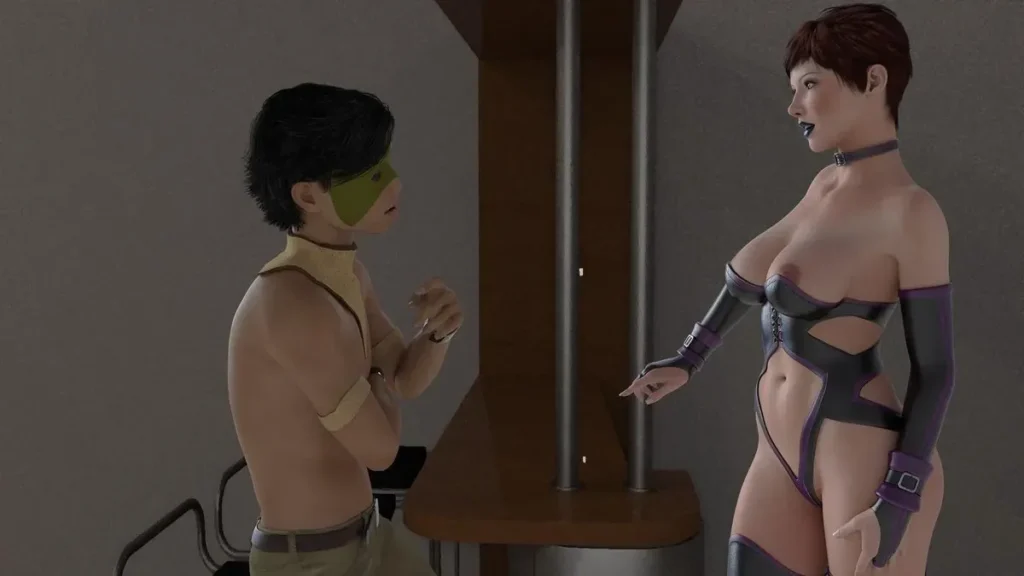
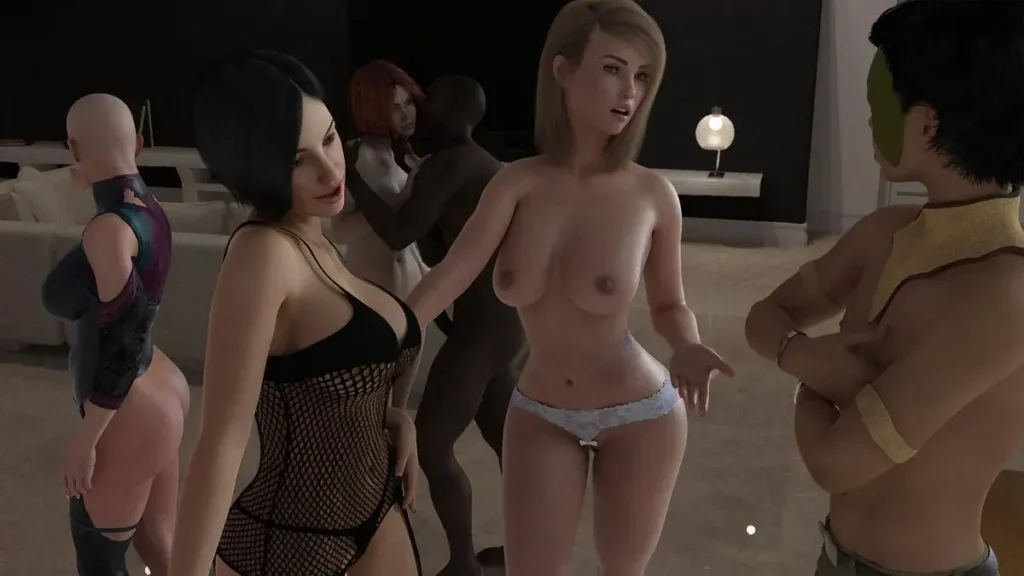

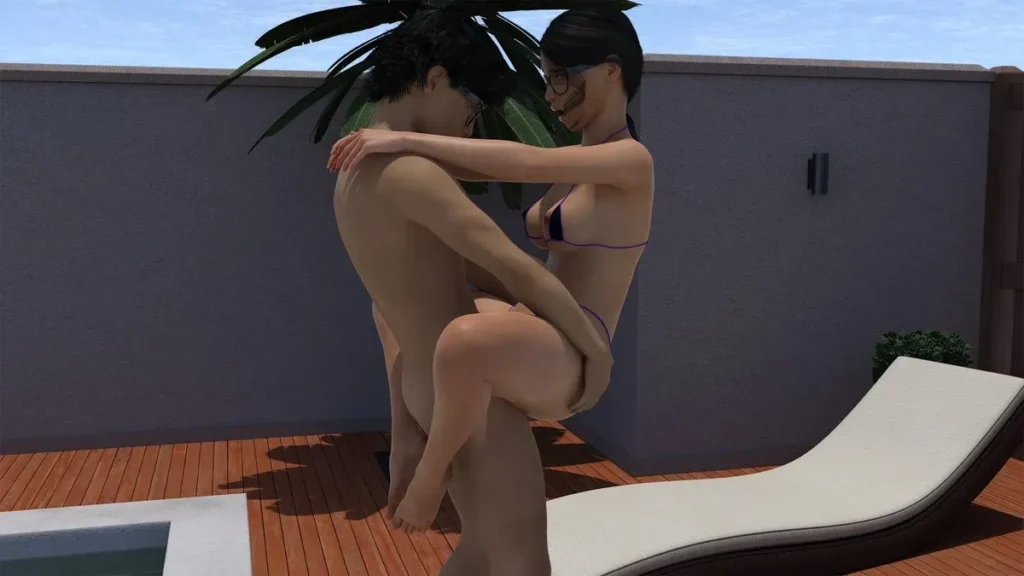




Tangled Up review
Master every route, unlock all scenes, and navigate the 24-day story with our detailed guide
Tangled Up is a choice-driven narrative experience that unfolds over 24 days within a single household setting. The game presents players with meaningful decisions that branch into distinct storylines, each with unique consequences and outcomes. Understanding the mechanics of route selection, location interactions, and character progression is essential for experiencing all content the game offers. This guide provides detailed walkthroughs for both primary routes, explains how to unlock hidden scenes, and reveals optimization strategies for maximizing your playthrough. Whether you’re aiming for complete content discovery or seeking specific route guidance, this resource covers everything needed to navigate the game’s branching narrative structure effectively.
Understanding Tangled Up’s Core Mechanics and Route System
So, you’ve started playing Tangled Up and maybe you’re feeling a bit… well, tangled? 😅 I completely get it. On my first playthrough, I wandered around the house like a lost puppy, clicking on everything, hoping for the best, and ended up with a confusing pile of missed scenes and regrets. I didn’t understand how the 24-day gameplay structure truly worked or how my early choices were silently locking me into a path. It was a mess!
Luckily, after several (read: many) playthroughs, I’ve untangled the knots and mastered the system. This chapter is your blueprint. We’re going to break down the Tangled Up game mechanics from the ground up, so you can move from feeling confused to being completely in control. Think of this as your guide to the clock, the map, and the rulebook all in one. Let’s dive in.
How the 24-Day Timeline and Location System Works
At its heart, Tangled Up is a race against a very charming clock. The entire story unfolds over a precise 24-day timeline. This isn’t just a fluffy number; it’s the rigid framework that everything else hangs on. Each day is a precious resource, and understanding this is the single most important part of the Tangled Up game mechanics.
Here’s the core loop: each “day” in the game is a single play session where you can choose to visit one location within the house. You wake up, check your phone, and decide where to spend your time. Will you head to the pool for some sun? 🏖️ Or maybe sneak into someone’s room for a private chat? 🫣 This choice drives everything. The game’s brilliant, and sometimes brutal, branching narrative choices are all filtered through this “one location per day” rule.
But it’s not just about picking a spot. The 24-day gameplay structure means that certain events, conversations, and relationship thresholds are only available on specific days. Miss your window, and that opportunity is gone for that playthrough. It creates this wonderful tension where you’re constantly planning ahead. I learned this the hard way when I kept putting off visiting the pool, only to find out later that a crucial, sunny-hearted scene I wanted was locked because I’d missed the ideal day for it.
The house itself is your interactive stage. Your location interactions guide starts right here. Each main area isn’t just a backdrop; it’s a narrative funnel tied to specific characters and story beats.
- The Pool: 🏊♂️ This is often the social hub. Choices here tend to involve multiple characters, leading to group dynamics, lighter moments, and sometimes public flirtations or tensions. It’s a great spot for early-game exploration.
- The Nook: 📚 A more intimate space. Interactions here are usually one-on-one and can lead to deeper, more personal conversations. This is where you often uncover a character’s backstory or vulnerabilities.
- Individual Rooms: 🚪 Visiting a character’s private space is a big deal. It signals strong interest and typically unlocks more romantic or confidential paths. These are high-reward visits but require the right timing and prior relationship building.
- The Main Hall: 🏠 The central artery. Scenes here can be transitional or involve chance meetings with multiple people. It’s good for gauging the overall household mood.
The magic—and the strategy—lies in how your chosen location for the day intersects with the pre-scripted events of that day in the 24-day timeline. The game has a master schedule, and your job is to insert yourself into the right part of it to witness or influence the story you want to see.
Choosing Between Route Types and Their Consequences
Alright, this is where the rubber meets the road. Early on, Tangled Up presents you with what seems like a million small choices. But hidden within those are a few monumental decisions that activate the game’s route selection system. This system essentially funnels you down one of two primary narrative highways, each with its own set of scenery, destinations, and dead ends.
Based on my experience, the game’s branching narrative choices ultimately lead you to pursue one of two core romantic paths. You’ll know you’ve hit the critical juncture because the tone of the story will shift, and your daily location options will start to feel more pointedly connected to one character or storyline. The Tangled Up decision consequences here are permanent for that playthrough; you cannot switch lanes later.
To make this crystal clear, let’s break down the two primary paths in a simple comparison. Think of this as your roadmap before you head out on the journey.
| Route Focus | Key Early Decision Vibes | Primary Location Hubs | Narrative Tone & Content Variations |
|---|---|---|---|
| The “Childhood Friend” Path 🥹 | Choices that prioritize comfort, shared history, trust, and rekindling a deep bond. Avoiding overly risky or secretive flirting with others early on. | Often revolves around private rooms, the nook, and late-night talks in familiar spaces. It’s about reclaiming intimacy. | A story focused on nostalgia, emotional depth, and overcoming past hurdles. Scenes involve reminiscing, heartfelt confessions, and rebuilding something old into something new. Unlocks specific “memory” scenes. |
| The “New Spark” Path ✨ | Choices that embrace excitement, mystery, and new attraction. Being openly flirtatious, taking social risks, and showing clear interest in the new dynamic. | Frequently centers on social spaces like the pool, group events, and more public, charged interactions. It’s about creating new memories. | A narrative driven by passion, discovery, and sometimes a bit of rivalry or jealousy. Scenes are charged with the thrill of the new, secret trysts, and defining a fresh relationship. Unlocks specific “adventure” scenes. |
🎯 Pro Tip from My Playthroughs: You can’t really “mess up” and get no story, but you can dilute your path. The game tracks your affinity silently. If you split your attention perfectly 50/50 between the two route vibes, you might hit a default, less satisfying ending where nothing truly culminates. Commitment is key!
This route selection system is why planning is essential. Before you even start day one, ask yourself: which story am I in the mood for this time? That intention will guide your responses during key moments, usually clustered in the first 5-7 days. Remember, experiencing all of Tangled Up is designed for multiple playthroughs. Your first run should be for following your heart. Your second is for strategic completion. 😉
Character Interactions and Progression Mechanics
Now, let’s talk about the people who make this all worthwhile. The character progression in Tangled Up is a subtle, behind-the-scenes masterpiece. Unlike games with obvious “love meters,” this game uses a complex flag system. Every dialogue choice, every location visit tied to a character, and every key decision sets or checks an invisible flag.
This is where your location interactions guide merges with character growth. Visiting the pool when a certain character is sunbathing might set a “flirted openly” flag. Choosing to comfort someone in the nook after a rough event might set a “is a trusted confidant” flag. The game then references these flags on later days. A crucial scene on Day 18 might only trigger if you have the “trusted confidant” flag active and you visit their room on Day 17. See how it all connects? 🔗
Your branching narrative choices are essentially you managing this web of flags. The consequences aren’t always immediate, which is what makes it feel so real. A snarky comment on Day 5 might come back to haunt you in a group conversation on Day 14. A supportive ear on Day 9 might earn you a private, vulnerable moment on Day 20. This cause-and-effect is the soul of the game’s Tangled Up decision consequences.
So, how do you manage character progression in Tangled Up without a visible meter? You pay attention and be consistent.
- Focus is Your Best Friend: Once you sense the route selection system kicking in, double down on locations and choices that align with that character. Your affinity is built on cumulative, consistent interest.
- Timing is Everything: Some locations are only “active” for certain characters on specific days. If you’re pursuing someone, be methodical. If you miss a key day’s interaction, the required flag might not get set, and a later branch of their story could remain closed.
- Listen to the Subtext: The characters will often hint at their plans or moods. Someone mentioning they “might be at the pool later” isn’t just flavor text—it’s a clue! Heed these hints to be in the right place at the right time.
Ultimately, mastering Tangled Up game mechanics is about understanding that everything is connected. The 24-day gameplay structure is the clock. The locations are the stages. Your choices are the director’s cues. And the route selection system determines the final act you’re rehearsing for. By seeing the game as this interlocked machine, you stop feeling like a passive participant and start becoming the author of your own deliciously tangled story. Happy plotting! 📖✨
Tangled Up delivers a branching narrative experience where player choices meaningfully shape the story across its 24-day timeline. Success in experiencing all content requires understanding both the mechanical systems governing location interactions and character progression, as well as the specific decision sequences that unlock different routes and hidden scenes. By following optimized walkthroughs for each route type and understanding how early choices cascade into late-game consequences, players can systematically unlock all available content across multiple playthroughs. The game rewards careful attention to timing, location sequencing, and dialogue selection, making strategic planning essential for comprehensive content discovery. Whether pursuing a single route or aiming for complete completion, this guide provides the detailed information needed to navigate every aspect of the game’s narrative structure and maximize your experience.