Turning the Page
Play Turning the Page
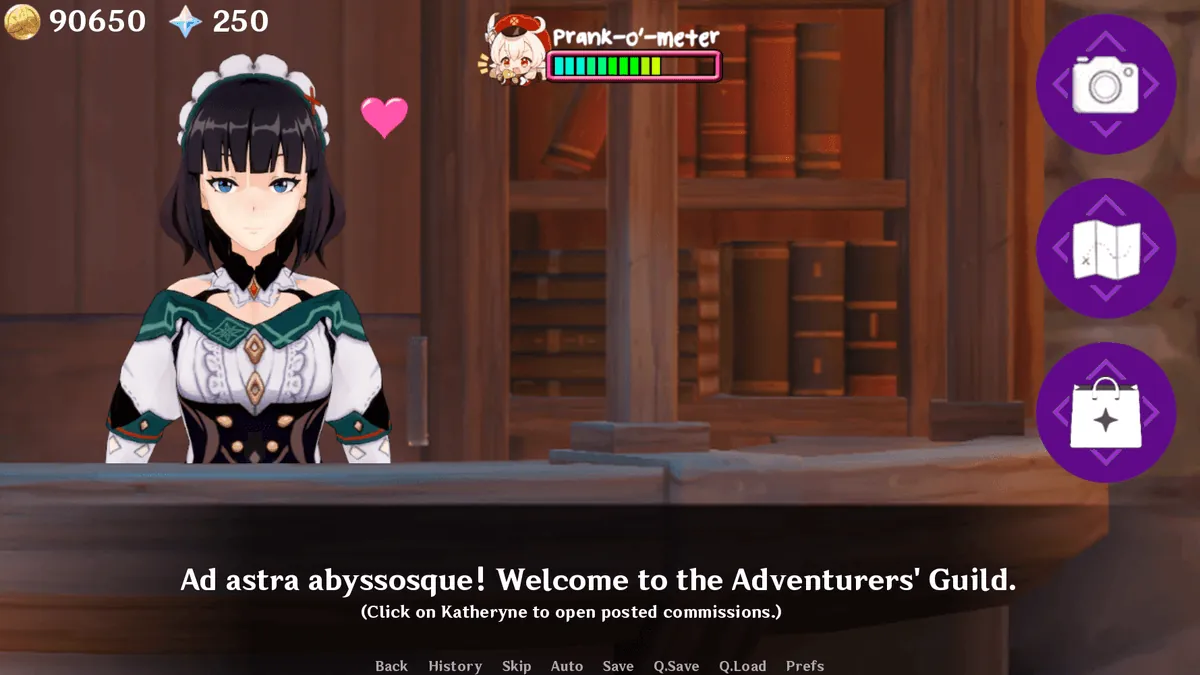
Turning the Page Screenshots













Turning the Page review
Explore Gameplay, Features, and Player Experience of the ‘Turning the Page’ Interactive Game
The game ‘Turning the Page’ offers a unique interactive experience that blends storytelling with engaging gameplay. This article dives into the core aspects of the game, highlighting what makes it stand out in its genre. Whether you’re curious about the gameplay mechanics, character interactions, or overall player experience, this guide provides a comprehensive overview to help you understand and enjoy ‘Turning the Page’ to its fullest.
Understanding ‘Turning the Page’: Gameplay and Storyline
Let’s be honest—we’ve all stared at a screen, controller in hand, feeling like we’re just going through the motions. Another fetch quest, another skill tree, another boss with a glowing weak point. 📺 Sometimes, you just want a story that listens to you. That’s the exact feeling that drew me into Turning the Page, a game that genuinely redefines what an interactive story game can be. It’s less about reflexes and more about reflection, pulling you into a world where your choices aren’t just cosmetic; they’re the very ink that writes the tale.
This Turning the Page game overview is your deep dive into why this experience feels so different. We’ll explore the quiet magic of its world, the elegant simplicity of its Turning the Page gameplay mechanics, and how its profound narrative makes every decision weigh a ton. If you’re looking for a game that values your voice as much as its own story, you’re in the right place. ✨
### What Is ‘Turning the Page’ About?
At its heart, Turning the Page is a story about rediscovery. You play as Eli, a former writer who returns to their sleepy, coastal hometown after a decade away, following the passing of a reclusive relative who left you a dusty, independent bookstore. 📚 The objective isn’t to save the world from an apocalyptic threat, but to save a place—and perhaps yourself—from fading into memory. Your goal is to revive “The Final Chapter” bookstore, but you quickly learn the real project is untangling the web of relationships, regrets, and hidden histories in the town of Seabrook.
The setting is a character in itself. Seabrook is all muted colors, the constant sound of distant gulls, and a pace of life that feels deliberately slow. This isn’t an accident; the environment is designed for contemplation. You’ll spend your days organizing shelves, sourcing rare books for quirky townsfolk, and deciding how to spend your limited time and resources. Will you restore the bookstore’s crumbling reading nook to attract community, or invest in a better coffee machine to become the local hotspot? These seemingly small decisions form the bedrock of the game narrative Turning the Page builds. It’s a story-driven game Turning the Page proudly embodies, where the stakes are personal, emotional, and deeply human.
I remember my first in-game evening, just as the virtual sun was setting. I had the choice to close up shop early and visit a grieving neighbor or stay late to finally catalog a box of old poetry. I chose the neighbor, and the conversation that unfolded gave me a clue about a rare book location I never would have found otherwise. It was a perfect, unscripted-feeling moment that taught me this game’s world is alive and responsive. 🌅
### Core Gameplay Mechanics Explained
Don’t expect complex button combos or a sprawling inventory system. The beauty of Turning the Page gameplay mechanics lies in their focused simplicity, all in service of the story. Interaction is primarily through a clean cursor-based system, where you explore environments, examine objects, and engage in dialogue.
The core loop is beautifully balanced between management, exploration, and conversation:
* Bookstore Management: Each day, you allocate your energy across tasks like cleaning, stocking, and decorating. This isn’t just busywork; the state of your store directly influences which characters visit and what story threads become available.
* Dialogue & Relationship Building: Conversations are presented with multiple dialogue options that reflect different tones—curious, empathetic, pragmatic, or withdrawn. Building relationships is key, as each character’s personal questline can unlock new book genres for your store and reveal layers of the overarching plot.
* The Choice & Consequence System: This is the engine of the game. Your player choices Turning the Page presents are logged in a subtle, in-game journal that Eli keeps. Choices range from immediate (what to say to a frustrated customer) to long-term (which town project to support with your limited funds).
| Mechanic | How It Works | Impact on Story |
|---|---|---|
| Time & Energy Management | Each action consumes a portion of your daily energy. You cannot do everything in one day. | Forces meaningful prioritization. Missing an event can alter a character’s path, creating unique story branches. |
| Dialogue Trees | Options are based on attitude and knowledge (gained from previous conversations or found items). | Determines affinity with characters. High affinity unlocks backstory chapters and critical assistance. |
| Environmental Interaction | Click to examine objects, often revealing lore or collectible “Memory Fragments” (old photos, letters). | Pieces together the town’s secret history. Collecting fragments can open new dialogue options and resolve mysteries. |
The most compelling mechanic is the “Perspective Shift.” At certain moments, you can choose to literally see a flashback scene from another character’s point of view. Using this on the gruff local fisherman after a tense argument completely recontextualized his behavior for me, transforming my annoyance into empathy. It’s a powerful tool that deepens the character development Turning the Page delivers, making the world feel richly interconnected.
### Narrative and Character Development
If the mechanics are the skeleton, the narrative is the soul. Turning the Page employs a branching, episodic structure. The story unfolds over seasons, with your choices in one “chapter” directly shaping the events and opportunities in the next. There’s no single “good” or “bad” ending; instead, there are authentic, nuanced conclusions to each character’s arc and the fate of the bookstore.
The character development Turning the Page achieves is its crowning glory. Characters feel like real people with their own burdens. There’s Mara, the retired teacher who seems stern but is fiercely protecting the town’s history, and Leo, the cheerful barista hiding a creative dream he’s too afraid to pursue. You don’t just unlock their stories by completing tasks; you earn them through consistent, thoughtful interaction.
A tip from my playthrough: Always follow up. If a character mentions a problem, ask about it the next time you see them. This consistency is often rewarded with deeper trust and pivotal story moments.
The game’s narrative brilliance is how it ties personal growth to gameplay. As Eli slowly heals and re-engages with the world, your mechanical options expand. New store sections open, allowing you to host community events that bring plotlines together. The game narrative Turning the Page weaves ensures you feel the impact of Eli’s journey not just in cutscenes, but in what you can do.
Example: A Pivotal Player Decision
In my second playthrough, I encountered a major decision in the third chapter. The town council proposed redeveloping the dilapidated community garden into a parking lot. I had built a strong rapport with the older gardener, Aris, but also needed to win over a pragmatic council member to get funding for my bookstore’s new roof.
- Choice A: Advocate fiercely to save the garden, aligning with Aris.
- Choice B: Support the parking lot, gaining the councilor’s favor but devastating Aris.
- Choice C: Propose a costly, middle-ground compromise (a rooftop garden/parking structure) that required me to have saved a significant amount of in-game money.
I chose Option A. The immediate consequence was losing the roof funding, forcing me to scramble for a loan with tough repayment terms. However, Aris, in gratitude, later gifted me a collection of rare botanical books that became my store’s most profitable section. The councilor remained cold, locking me out of a later subplot about town archives. This one choice rippled out, changing my financial gameplay, my relationships, and the visual landscape of Seabrook. It was my story.
This is what makes Turning the Page so endlessly engaging. It’s a story-driven game that trusts you with its heart. Every playthrough asks different questions: What if I focus solely on profit? What if I try to mend every broken relationship in town? The player choices Turning the Page lays before you create a uniquely personal tapestry, making it an experience you’ll want to revisit, not just to see a different ending, but to live a different story altogether. 📖 It’s a gentle, powerful reminder that sometimes, the most epic adventure is helping a small town turn its page, together.
In summary, ‘Turning the Page’ offers a rich, interactive experience that combines compelling storytelling with engaging gameplay mechanics. Its unique approach to character development and player choice creates a dynamic environment that keeps players invested. Whether you are a newcomer or a seasoned player, exploring the depths of this game can provide hours of immersive entertainment. Dive in and discover the many layers of ‘Turning the Page’ for yourself.